

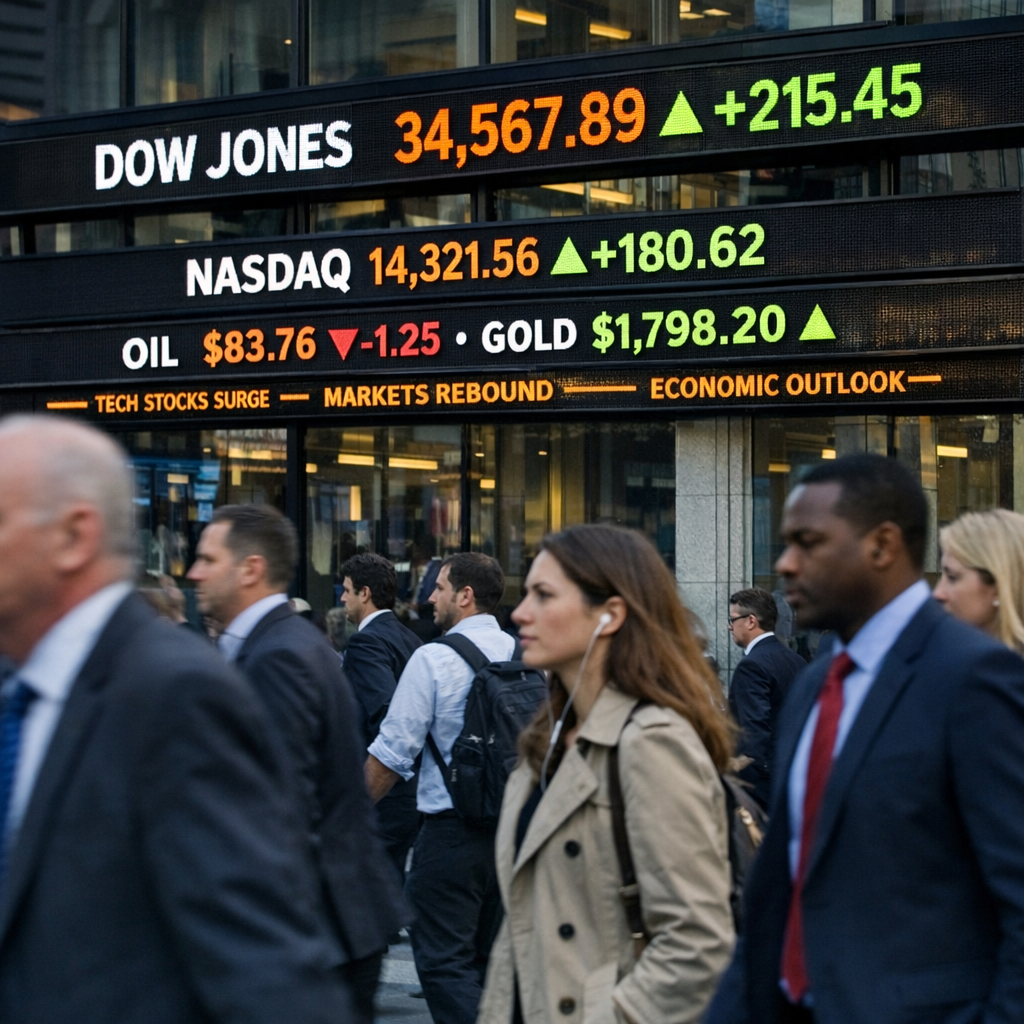
The U.S. economy is currently experiencing a period of modest growth, with the first quarter of 2026 showing an expansion of 1.6% on an annualized basis. This follows a dip in the first quarter of 2025, indicating a recovery trajectory. However, the growth rate in the last quarter of 2025 and the first quarter of 2026 was lower than anticipated, suggesting a cautious outlook.
Employment Trends
The labor market continues to add jobs, reflecting resilience in employment. However, there is a growing concern over long-term unemployment, which has been on the rise. This indicates that while new positions are being created, some workers are facing prolonged periods without employment.
Inflation and Consumer Prices
Inflation remains a focal point for both policymakers and consumers. Although it has decreased from its peak levels, it remains persistent. The Consumer Price Index (CPI) has shown a 4.2% year-over-year increase, driven in part by energy prices influenced by global conflicts. This sustained inflationary pressure affects purchasing power and cost of living.
Federal Reserve’s Stance
The Federal Reserve continues to monitor these economic indicators closely to inform decisions on interest rates. The balance between fostering economic growth and controlling inflation remains delicate, with potential implications for borrowing costs and investment.
Understanding these dynamics is crucial for individuals and businesses as they navigate financial planning and decision-making in the current economic environment.