

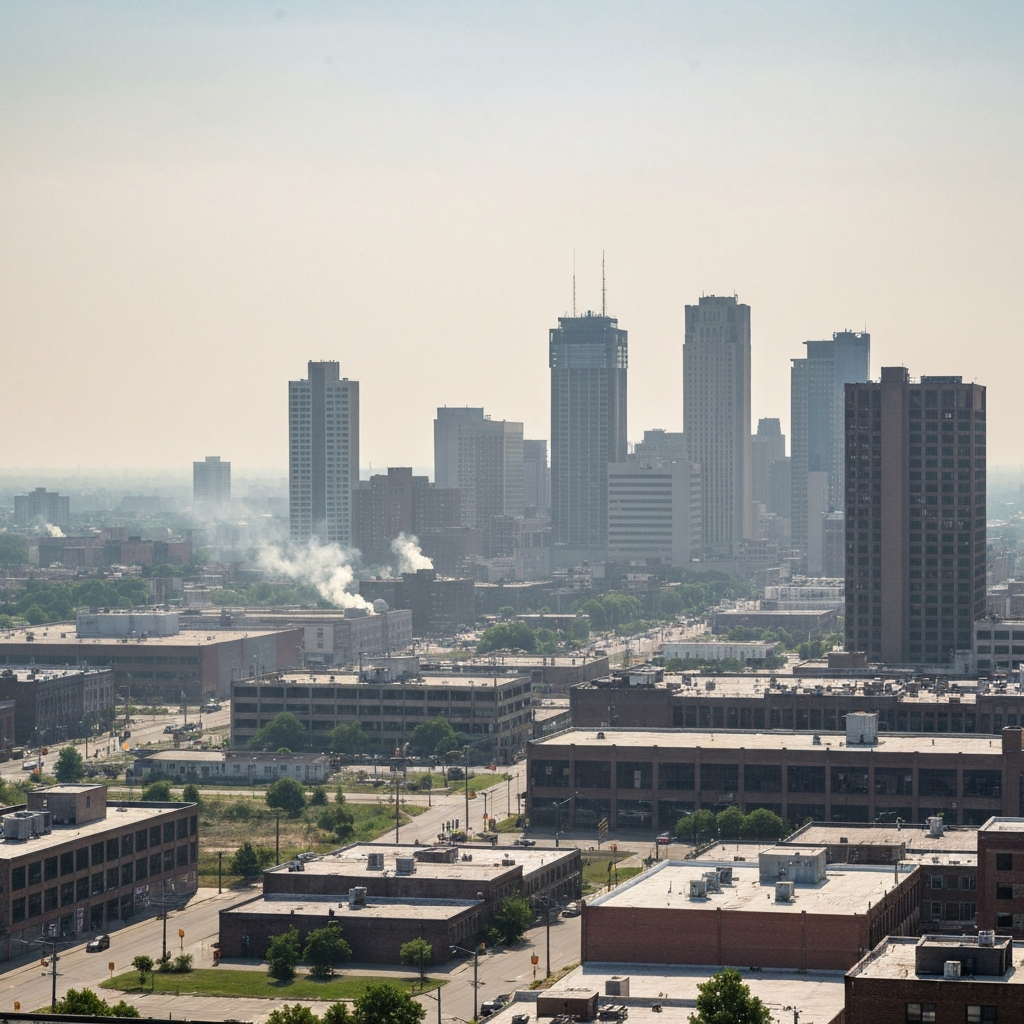
Detroit, Michigan, experiences a humid continental climate characterized by four distinct seasons, each bringing its own weather patterns and environmental considerations.
Seasonal Weather Patterns
Spring (March to May)
Spring in Detroit marks a transition from the cold winter months to warmer temperatures. Average high temperatures rise from 44.5°F (6.9°C) in March to 69.3°F (20.7°C) in May. This season also sees increased rainfall, with May averaging 4.01 inches (102 mm) of precipitation, fostering the growth of lush greenery and blooming flowers.
Summer (June to August)
Summers are warm and humid, with average high temperatures peaking at 83.2°F (28.4°C) in July. Precipitation remains relatively consistent, ensuring a moist atmosphere conducive to outdoor activities. However, the urban heat island effect can cause temperatures in densely populated areas to be significantly higher than in surrounding rural regions, sometimes by as much as 8°F (4.4°C). This phenomenon disproportionately affects communities with less tree cover and green spaces, exacerbating health inequalities.
Autumn (September to November)
Autumn brings cooler temperatures and a reduction in daylight hours. Average high temperatures decrease from 72.3°F (22.4°C) in September to 48.6°F (9.2°C) in November. Rainfall slightly decreases during this period, with November averaging 2.74 inches (70 mm) of precipitation.
Winter (December to February)
Winters are cold and snowy, with average high temperatures dropping to 32.2°F (0.1°C) in January. Snowfall is common, with January typically receiving around 4.29 inches (109 mm). Despite the cold, winter temperatures have been warming at a rate of about 0.4°F (0.2°C) per decade since 1960, leading to shorter winter seasons.
Environmental Challenges
Detroit faces several environmental challenges exacerbated by climate change:
- Air Quality: The Detroit-Warren-Ann Arbor metro area ranks among the worst in the U.S. for annual particle pollution, primarily due to emissions from vehicles, factories, and power plants. This pollution can worsen health conditions such as asthma and heart disease.
- Urban Heat Island Effect: Urban areas in Detroit can be up to 10°F (5.6°C) hotter than nearby rural areas, disproportionately affecting communities of color and lower-income groups who have less access to green spaces.
- Climate Change Impacts: Detroit has been warming at a rate of about 0.4°F (0.2°C) per decade since 1960, with projections indicating continued temperature increases and more frequent extreme weather events.
Addressing these challenges requires a concerted effort from the community, policymakers, and environmental organizations to implement sustainable practices and policies that mitigate the adverse effects of climate change and promote environmental justice.